10th Annual Mutational Scanning Symposium
Mutational
Scanning
Symposium
MSS27 — A Decade of Advancing Variant Science
- Date
June 23–25, 2027 - Location
Seattle, WA, USA - Format
In-Person & Online - Hashtag
#VariantEffect27
- Register Here
Coming soon - Submit an Abstract
Coming soon - Event Page
Coming soon
Countdown to MSS27 — June 23, 2027
Conference Poster

Conference poster design by Angie Miller
Welcome
Join us in Seattle for our 10th anniversary
On behalf of the Atlas of Variant Effects (AVE) Alliance and the MSS27 organizing committee, we are delighted to invite you to join us for the 10th Annual Mutational Scanning Symposium, taking place in Seattle, Washington, USA from June 23–25, 2027.
The Mutational Scanning Symposium is AVE’s flagship event — the primary venue where the global community presents new methods, datasets, computational tools, and clinical applications. Since our inaugural meeting in Seattle in 2017, the symposium has grown from a small regional gathering of 50 attendees to an internationally recognized event spanning 50 countries. MSS27 marks a proud return to where it all began.
We are planning an especially ambitious program for our 10th anniversary — one that looks back at a decade of transformative advances in mutational scanning while looking ahead to the next frontiers in variant science.
Event Venue
Bell Harbor International Conference Center

Bell Harbor International Conference Center
Pier 66, Elliott Bay
Seattle, WA
In-person & Live-streamed
200+ in-person, ~100 online
Keynote Speakers
Headlined by leaders in the field
MSS27 will be headlined by three of the most influential voices in functional genomics.
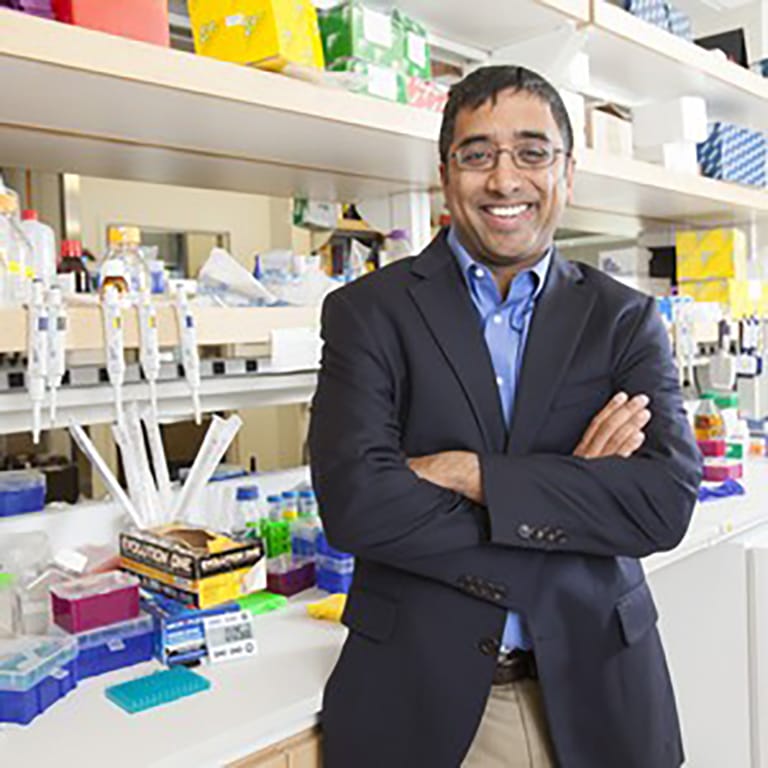
Jay Shendure is one of the founding figures of deep mutational scanning and a pioneer in high-throughput methods for variant interpretation. His lab at the University of Washington has produced landmark studies connecting functional variant data to clinical outcomes.
He is the Lead Scientific Director of the Seattle Hub for Synthetic Biology, co-directs the Brotman Baty Institute for Precision Medicine and is a Howard Hughes Medical Institute Investigator. His return to the MSS stage in Seattle — where this symposium began — for its 10th anniversary is a special occasion.
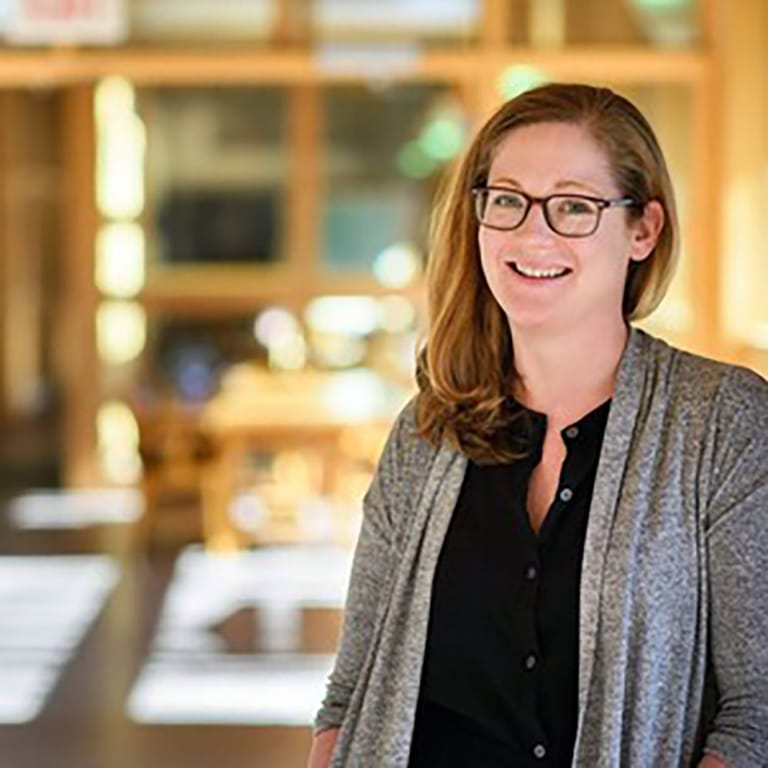
Dr. Adamson is an Associate Professor in the Department of Molecular Biology and the Lewis-Sigler Institute for Integrative Genomics at Princeton University. She trained at MIT, completed her PhD at Harvard Medical School studying DNA repair with Stephen Elledge, and pursued postdoctoral work with Jonathan Weissman at UCSF — supported by a Damon Runyon Cancer Research Foundation fellowship — where she pioneered new approaches for functional genomics in human cells.
Her lab at Princeton continues to develop cutting-edge tools including genetic screening and single-cell RNA-sequencing to study genome editing, DNA repair, and cellular pathway dissection.
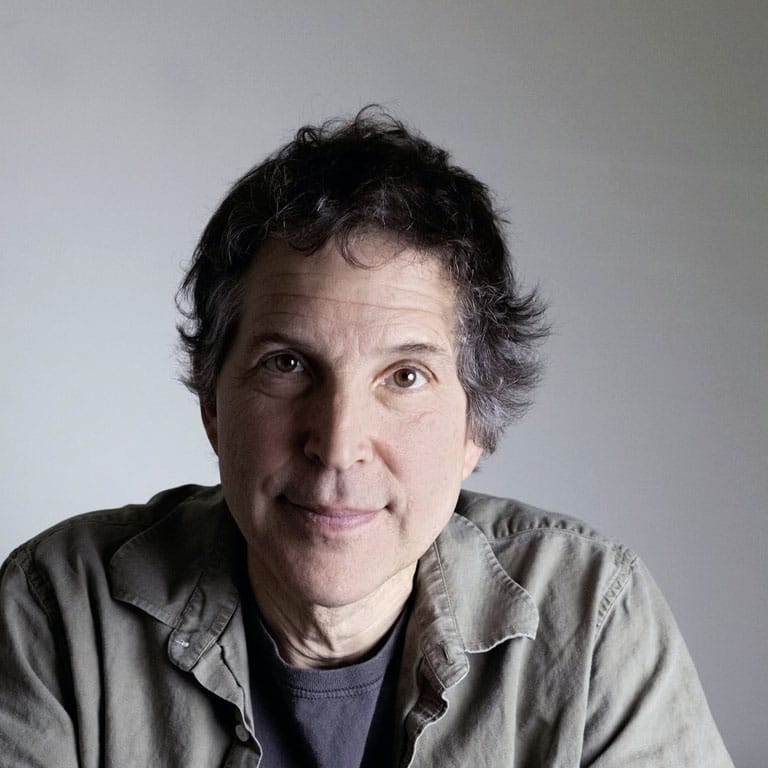
David Baker is a Nobel laureate, professor of biochemistry, HHMI investigator, and director of the Institute for Protein Design at the University of Washington. His lab develops software for protein design and uses it to create molecules that address challenges in medicine, technology, and sustainability. Recent work includes the development of machine learning methods for generating functional proteins.
David is also an adjunct professor of genome sciences, bioengineering, chemical engineering, computer science, and physics at the University of Washington. He has published more than 650 scientific papers, been awarded over 100 patents, and co-founded 21 biotechnology companies. More than 100 of his trainees have gone on to independent faculty positions.
He is the recipient of numerous awards, including the 2024 Nobel Prize in Chemistry “for computational protein design.” He is an elected member of the National Academy of Sciences, National Academy of Engineering, and National Academy of Inventors. David was also included on TIME’s inaugural list of the 100 Most Influential People in health.
David received his PhD in biochemistry with Randy Schekman at the University of California, Berkeley, and conducted postdoctoral research in biophysics with David Agard at UCSF.
Invited Speakers
A world-class lineup
MSS27 will feature a diverse set of invited speakers spanning technology development to clinical implementation. Confirmed speakers include:
Centre for Genomic Regulation (CRG), Barcelona, Spain
Fred Hutchinson Cancer Center, Seattle, USA
Stanford University, USA
St Vincent's Institute of Medical Research, Australia
Northeastern University, USA
UT Southwestern Medical Center, USA
Scientific Program
Program topics
A full agenda is forthcoming. As a teaser, programming will span cutting-edge research across the following areas — with dedicated Friday sessions on Rare Disease and Virology.
- Deep mutational scanning
- Variant effect prediction
- Protein structure and function
- CRISPR-based functional screens
- Rare disease ★
- Clinical variant interpretation
- AI and machine learning
- Regulatory variant mapping
- Splicing variant effects
- Therapeutic design
- Virology and evolution ★
- Data standards and sharing
- Trainee presentations
★ Dedicated Friday sessions
Current Sponsors
Thank you to our sponsors
We are grateful for the generous support of our current sponsors.
★ Silver Sponsors

Ready to join us?
Registration and the full program are coming soon. In the meantime, reach out with any questions.
- Register Here
Coming soon - Submit an Abstract
Coming soon - Event Page
Coming soon
mutationalscanning2027@gmail.com · #VariantEffect27
Atlas of Variant Effects Alliance
10th Annual Mutational Scanning Symposium — MSS27
Bell Harbor International Conference Center
Seattle, WA · June 23–25, 2027